Loading…
Reading the draws and working out what chance predicts.
Loading…
Reading the draws and working out what chance predicts.
FI · ball game
No draws on record for Lotto yet.
7 numbers from 1–40, plus 2 from 1–40. 0 draws held here.
Your numbers, read by every tool
Type the numbers you always play. Has the line ever come up? How close has Lotto come? What has each number done, what does the line look like, and has the same set turned up anywhere else in the world?
Every tool, for this game
Each one opens with Lotto already selected. The line under every title is true of this game’s rules right now — not a promise about its next draw.

Every number is equally likely, 17.5% per draw. The history will show how evenly that plays out.

A number waits 6 draws on average; 5% of the time it waits 17 or more. It is never “due”.
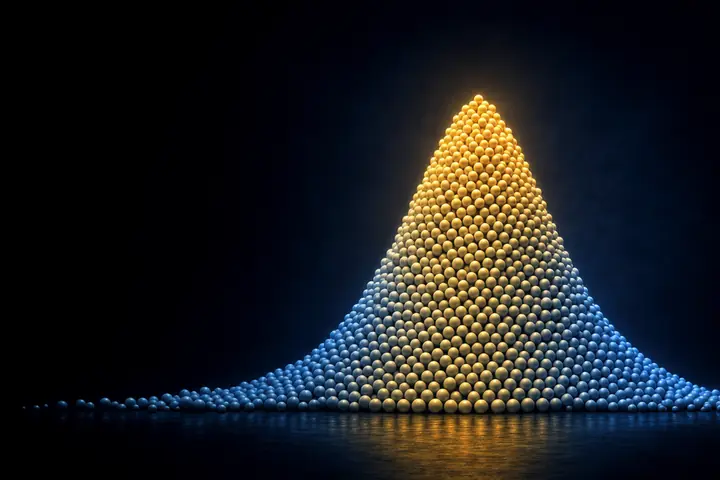
The 7 numbers add up to about 144, give or take 28. Most tickets sit in that bell — and so do most draws.

71.1% of draws contain two numbers side by side. That is the rules talking, not luck.

780 possible pairs, every one equally likely. Watch chance paint patterns onto them.

All 40 numbers as a constellation of who appeared with whom — indistinguishable from a shuffled sky.

77% of draws repeat a number from the draw before. A whole draw repeating: 0% likely by now.

Sorted, the numbers sit about 5.1 apart on average — and every “spread” you can name is exactly as likely as every other.
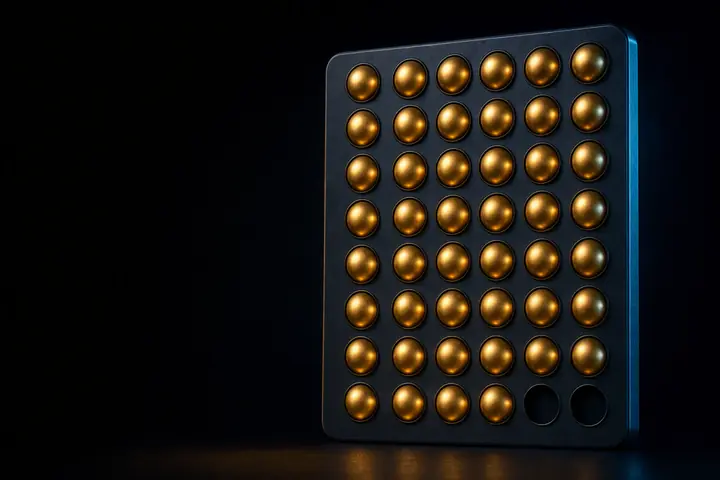
It takes about 23 draws for every one of the 40 numbers to appear at least once. The last few are the slow ones.

18,643,560 possible tickets. Every one has a face — and a typicality score you can look up.

Seven independent tests of randomness, ready for the first draws.

The lowest number lands near 5, the highest near 36. Position is a property of sorting, not of the balls.

7/40 rescaled onto the same axes as every other game here. One law, many machines.

Six documented cases of a beaten lottery. Not one involved patterns in past draws.

What the world believes about 7, 8, 13 and 17 — and what every machine says back.

At 30 million tickets, an average line keeps about 50% of a jackpot it wins. Unpopular numbers keep more — and still lose money.

A full wheel of 10 numbers here is 120 tickets. A guarantee is real; a profit is not.

Five folk claims about 7/40 games, each answered with the closed form that kills it — never a tip for the next draw.

Lock a past-only rule, score it on later draws, and compare every hit with the exact 7-of-40 overlap law.

This is a without-replacement ball game; the Digit Laboratory is for Pick 3 and Pick 4.
Not for this game
The Chernoff Map reads the straight tier of a digit game, which counts tickets on one exact number; a ball game has no such row.
Not for this game
This game draws once a day, so it has no second draw to compare its first with.
Not for this game